COMP 2300 Winter 26 / Myles Durant
Earlier this fall, when Bengals franchise quarterback Joe Burrow limped off the field with turf toe, it wasn’t the result of an awkward tackle or a dirty hit. It was the playing surface beneath him.
In recent years, NFL fans have watched some of their favorite players suffer non-contact lower-body injuries that have the potential to derail seasons and alter careers. In a league built on speed, jukes, and explosive movement, the ground players stand on matters more than we seem to acknowledge.
In a league built on speed, jukes, and explosive movement, the ground players stand on matters more than we seem to acknowledge.
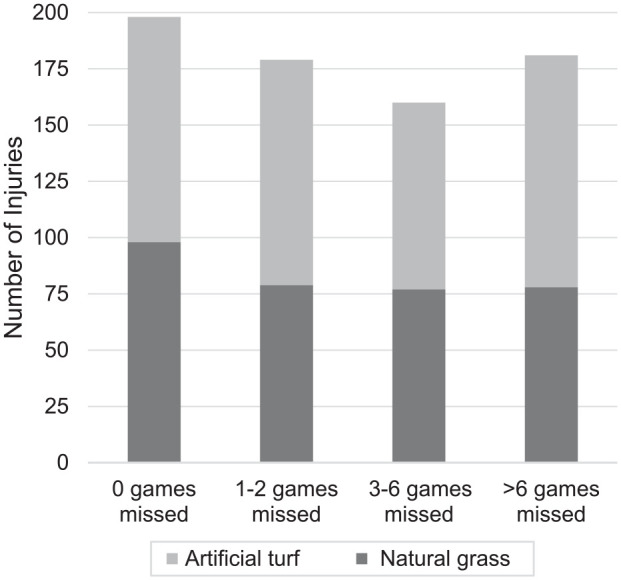
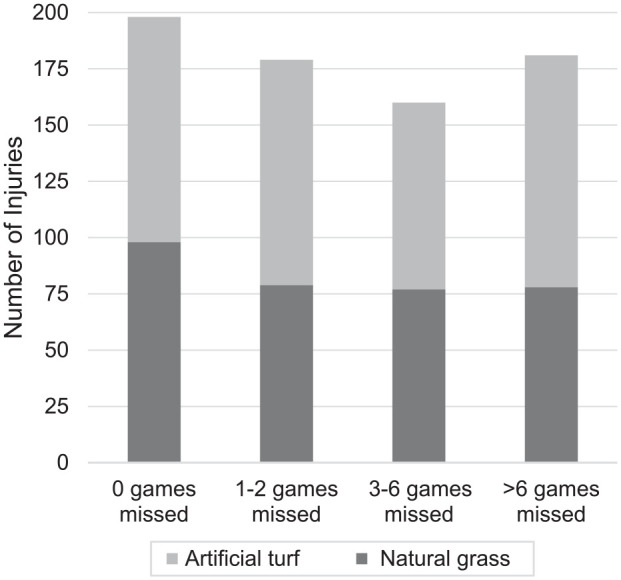
While injuries are inevitable in professional sports, growing evidence suggests one factor is making them more likely: artificial turf. Research shows that lower-body injuries, especially non-contact injuries like ACL tears and foot injuries, occur more frequently on turf. If the league truly prioritizes player safety, it can no longer turn its back on this issue.
The decision is clear: the NFL should require all stadiums and practice facilities to use natural grass instead of artificial turf.
What the Injury Data Shows
In 2024 the Orthopaedic Journal of Sports Medicine conducted a study that found significantly higher rates of lower-extremity injuries on artificial turf than on natural grass. Notably, non-contact injuries were particularly more common. This is no coincidence. These kinds of injuries reflect measurable biomechanical differences between surfaces.
Artificial turf is stiffer than natural grass and creates greater rotational resistance when players plant and cut. If you’ve ever watched a football game, you know that ball carriers and tackler positions are doing this constantly. During these rapid changes of direction, turf often increases the torque placed on the knee and ankle joints.
Natural grass, however, allows some give and release where synthetic turf would otherwise cling onto cleats. That added resistance increases ligament stress and raises the risk of injuries like ACL tears.
Players Are Asking for Change
Of course, this issue goes far beyond just keeping the fans happy. NFL players themselves have voiced their dissatisfaction. The NFL Players Association has repeatedly advocated for a league-wide shift to natural grass, arguing that turf is harder on the body and contributes to preventable injuries.
When the athletes whose careers depend on their physical health are calling for change, the league should listen. Some players work their entire life just to earn a spot on the practice squad. How agonizing must it feel to have that opportunity taken away by an injury that could’ve been prevented?
The Business Case
If player safety isn’t enough to push the needle, we can also take a more economic approach. The NFL strategically markets its biggest stars like franchise quarterbacks, elite wide receivers, and pass rushers. Teams invest in these athletes often to the tune of nine-figure contracts.
When a star suffers a season-ending injury, the ripple effects are devastating to their team’s season. Playoff hopes tank, fan engagement plummets, and the overall product suffers. As a result, the financial implications of losing even one key player can far exceed the annual expense of maintaining natural grass.
The Turf Argument
The main argument against a leaguewide switch to natural grass is that artificial turf is more durable and easier to maintain, especially in multi-use stadiums that host other events such as concerts. Additionally, turf performs consistently in harsh weather conditions and does not require the same level of upkeep as grass.
These are valid claims. However, convenience should not outweigh player safety, especially concerning a league that generates more than a whopping $20 billion annually.
A Standard Other Sports Already Use
Other prestigious global sports organizations have already taken action to protect their players. FIFA will be requiring all stadiums hosting the 2026 World Cup to use natural grass, even if they currently operate with turf.
The NFL is prepared to revert all its affected stadiums back to turf after the World Cup has concluded. As it does so, it will be hard not to wonder: if the world’s grandest sporting event demands natural grass for performance and safety reasons, why doesn’t the NFL?
The League Has the Power to Act
Of course, football is inherently physically demanding and switching to grass will not eliminate injuries entirely. However, reducing entirely preventable risk should be the league’s responsibility. With the data staring executives in the face, every ongoing game and practice without change is a liability.
The league often emphasizes its commitment to safety with acts like updating concussion protocols, adding guardian caps, and adjusting rules to protect quarterbacks. Mandating natural grass would align with those efforts. It would show genuine care to player safety and remove doubts about performativity.
Fans deserve to see the best athletes competing at full strength. Players deserve a surface that does not increase their risk of injury. And the NFL, with its abundance of resources, has the power to make this change. The future of the league couldn’t be any clearer.
Works Cited
- Bell, Jarrett. “NFL Grass vs. Turf Stadiums: Playing Surface Standards Questioned Ahead of 2026 World Cup.” USA Today, 8 Jan. 2026. https://www.usatoday.com/story/sports/nfl/columnist/bell/2026/01/08/nfl-grass-vs-turf-stadiums-playing-surface-standards/87687167007/.
- Gould, H. P., et al. “Lower Extremity Injury Rates on Artificial Turf Versus Natural Grass Playing Surfaces: A Systematic Review.” PubMed, 2023. https://pubmed.ncbi.nlm.nih.gov/35593739/.
- Mack, Christopher D., et al. “Lower Extremity Injuries in the National Football League: Artificial Turf Versus Natural Grass.” Orthopaedic Journal of Sports Medicine, 2024. https://pmc.ncbi.nlm.nih.gov/articles/PMC11363235/.
- National Football League Players Association. “Only Natural Grass Can Level the NFL’s Playing Field.” NFLPA. https://nflpa.com/posts/only-natural-grass-can-level-the-nfls-playing-field.